

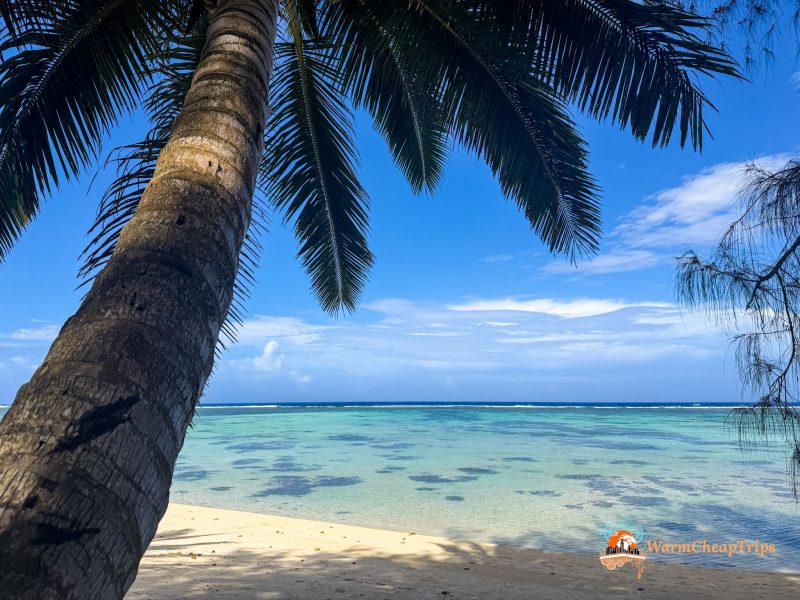
I always said that if I ever got married, my honeymoon would be in Polynesia. White-sand beaches, crystal-clear waters, far away from everything in the middle of the Pacific Ocean.
When I actually got married and started planning our honeymoon, however, I realised that although French Polynesia was a dream destination, luxury resorts dominated the scene. I soon understood that perhaps it wasn’t the right destination for me. That’s when I discovered New Zealand Polynesia: the Cook Islands.
Fifteen islands in the Pacific, “discovered” by Westerners only 200 years ago, where Polynesian culture is still deeply rooted and where there are no giant resorts and no building is allowed to be taller than the highest palm tree on the island.
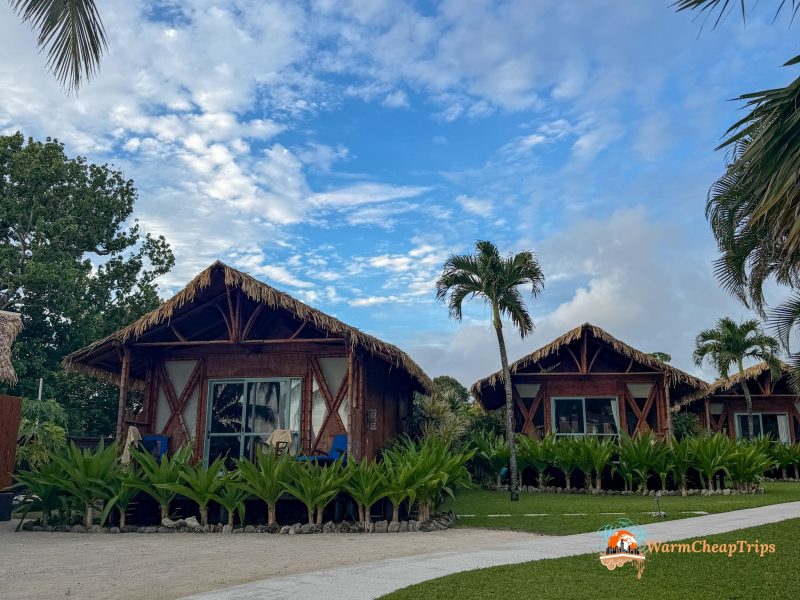
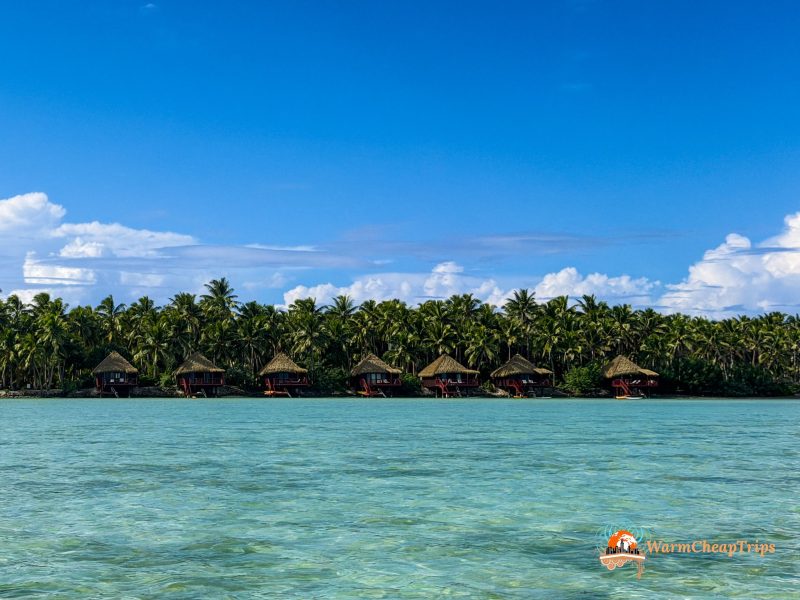
These are islands where authenticity and local pride still survive, where prices are significantly more affordable and accommodation options range from boutique hotels to beachfront bungalows, from family-friendly resorts to local guesthouses. No famous ultra-luxury resort chains, but almost everything is locally owned and managed.
Cook Islands law does not allow land to be bought or sold. Land can only be leased for 60 years before returning to the original family. Here, ancestry means everything, and you’ll often hear locals introduce themselves by mentioning both their home island and their family’s island of origin. This strong connection to their land is something I truly admired about their culture.
A trip to the Cook Islands is not just a journey to an untouched paradise in the heart of the Pacific Ocean. It is also a journey into a profound culture, where ancestral traditions blend with the Western world, where you can leave behind the frenzy of everyday life and step into a land of smiles and slow living, appreciating the beauty of the natural world around you.
It is a destination where mass tourism is deliberately kept at bay in favour of authenticity, sustainability, and a slower pace of travel. Perfect for those seeking a genuine experience that is accessible and deeply connected to local life and culture.
Travelling to the Cook Islands – Useful Information
The Cook Islands are an archipelago of 15 islands located in the middle of the Pacific Ocean, literally on the opposite side of the world from Italy, with a 12-hour time difference.
Around 17,000 people live here, most of them on Rarotonga, the largest island and home to the international airport. The islands are divided into the Southern and Northern Groups, and some are so remote that reaching the furthest island, Penrhyn, requires four days of sailing from Rarotonga.
The Cook Islands are a self-governing state in free association with New Zealand, and their citizens hold New Zealand passports.
How to Get to the Cook Islands
The only international airport is located on Rarotonga and is served by daily flights from New Zealand and Australia, as well as several weekly flights from Hawaii and French Polynesia.
When flying from other Pacific islands, the time zone remains the same. However, when flying from Australia or New Zealand, you literally “travel through time.” Even though the flight only takes a few hours, you cross the International Date Line and live the same day twice.
For example, we departed Auckland on the morning of 2 May 2026 and, four hours later, landed in Rarotonga on the afternoon of 1 May!
Entry Requirements
Tourists do not need a visa to enter the Cook Islands. A passport valid for at least six months is sufficient, and visitors can stay for up to 30 days. During the flight, you will receive a customs declaration form. Be extremely thorough and declare everything, especially food, hiking shoes, and trekking equipment.
We declared everything, and customs simply asked for some details before allowing us through without further inspection. Just like in New Zealand, biosecurity controls are very strict in order to protect the fragile ecosystem, so be honest and declare everything.
To rent a car, your normal driving licence is sufficient. That’s right: no international driving permit is required. Licences from several countries, including Japan and EU member states, are accepted. If you wish to rent a scooter, however, you must either hold a motorcycle licence or obtain a local permit by visiting a police station on Rarotonga and passing a practical test.
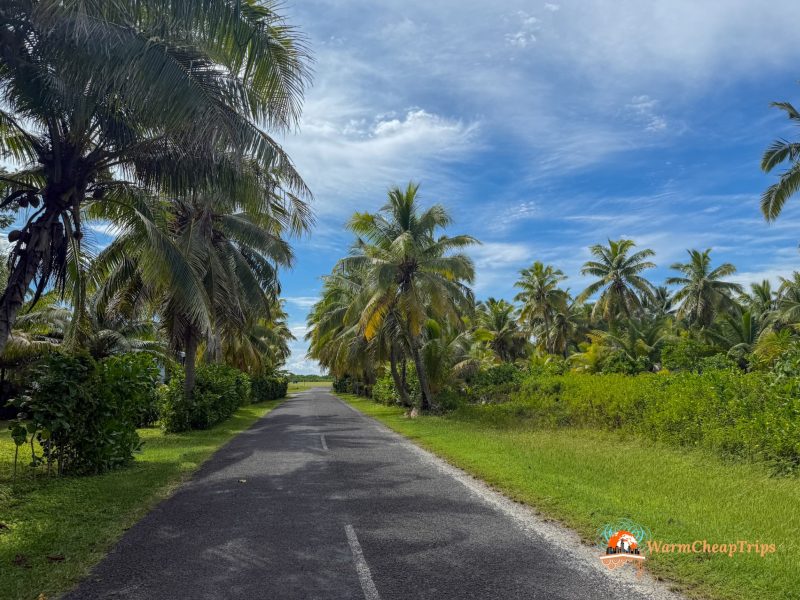
Personally, since I dislike two-wheeled vehicles, I recommend avoiding the stress and simply renting a car. Traffic drives on the left, speed limits are generally 40–50 km/h, there are very few cars, everyone drives calmly, and if it starts raining, you’re comfortably sheltered.

When to Visit
As a tropical destination, the Cook Islands enjoy warm temperatures all year round. The best months are generally during the dry season, from April to November, when temperatures are slightly cooler, humidity is lower, and rainfall is less frequent. The wet season, however, brings warmer ocean temperatures and an abundance of tropical fruit. That said, climate change is affecting weather patterns everywhere, and during our visit in May we experienced several grey days and quite a bit of rain.
In reality, tropical downpours can happen during both the dry and wet seasons, especially on Rarotonga. As a volcanic island, its mountain peaks attract clouds forming over the ocean, and these rains are precisely what make the island’s interior so lush and beautiful. Generally speaking, July and August offer the lowest chance of rain and very pleasant temperatures, but they are also peak season. Interestingly, several locals told me that October is their favourite month: the weather is still dry, tourism numbers are lower, and rainfall is usually limited.
Time Zone, Electricity and Currency
The Cook Islands are 13 hours behind London time (12 hours during European winter time). The funny thing is that compared to New Zealand, the difference is only two hours, but it’s the previous day. When it’s 10 a.m. in Auckland, it’s noon in Rarotonga… but noon of the day before. That’s because the islands sit across the International Date Line. Arriving from Australia or New Zealand means you get to experience the same day twice (and lose one on the way back). Pretty cool, right?
Power outlets are Type I, the same as New Zealand, with two flat angled pins, so you’ll need an adapter.
The Cook Islands use both New Zealand Dollars and Cook Islands Dollars. Both currencies have the same value, but Cook Islands Dollars can only be used locally and cannot be exchanged elsewhere. For this reason, I recommend exchanging money only into New Zealand Dollars. Credit cards are generally accepted, although traditional cards can occasionally be declined. This happened when I tried to pay for our rental car using my Japanese credit card, which includes rental car insurance. Cards such as Revolut and Wise, however, worked perfectly everywhere.
It’s still important to carry some cash, especially at places like the Saturday market, where most stalls are cash-only. You can exchange money at the BCI Bank in Avarua (open weekdays from 10 a.m. to 3 p.m.) or at Western Union, or withdraw from one of the island’s few ATMs. Keep in mind that withdrawal fees tend to be quite high, even with Revolut.
When paying in New Zealand Dollars, you may sometimes receive change in Cook Islands Dollars, particularly the famous triangular 2-dollar coin. There is also an octagonal 5-dollar coin, but unfortunately I never managed to find one.
Internet Connection
Internet access is one of the weaker points of the Cook Islands. Vodafone is the only provider, and visitors can purchase a tourist eSIM that includes calls and text messages, or buy data vouchers to connect through the island’s Wi-Fi hotspots.
Some hotels offer complimentary Wi-Fi via Starlink, although the connection can become slow or unstable, especially during bad weather. Upon arrival at the airport, visitors also receive 30 minutes of free Wi-Fi.
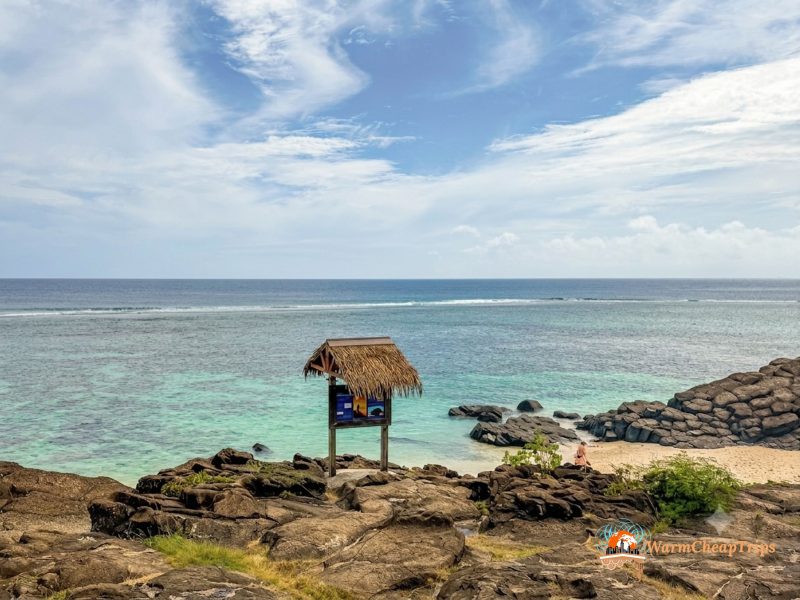
Our Honeymoon in the Cook Islands
We spent ten days in the Cook Islands, arriving from New Zealand and visiting the two most famous islands: Aitutaki and Rarotonga.
Rarotonga is the largest and most populated island, home to the international airport and the departure point for domestic flights to islands such as Aitutaki and Atiu. We landed on Rarotonga in the afternoon and flew to Aitutaki the following morning, where we spent three days. Honestly, I could have happily stayed at least one day longer. The remaining six days were spent on Rarotonga before flying home.
Aitutaki: The Most Beautiful Lagoon in the World
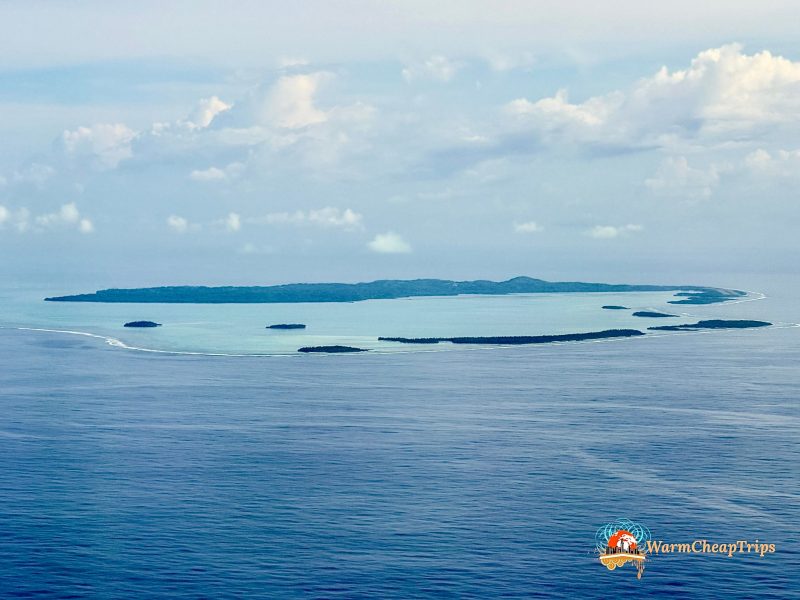
Tony Wheeler, founder of Lonely Planet, once described Aitutaki as the most beautiful lagoon in the world. As soon as you see it from the plane window, you’ll understand exactly why.
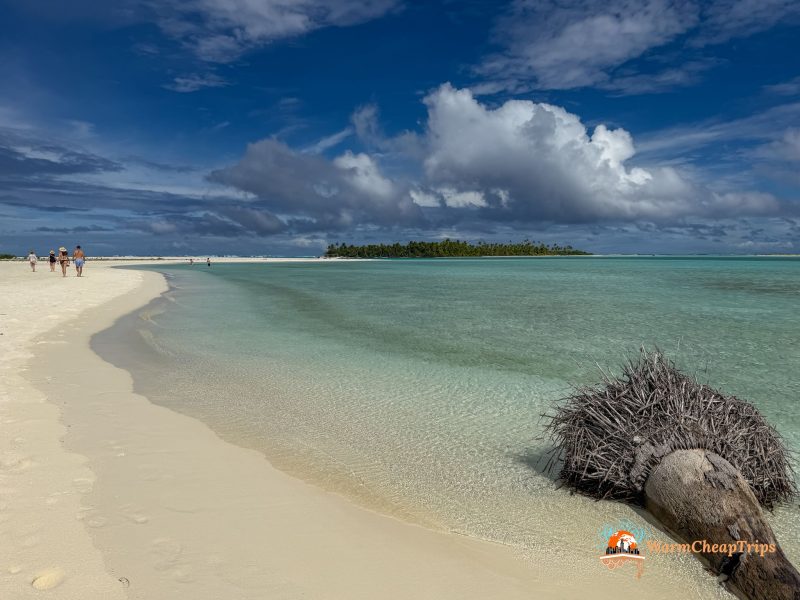
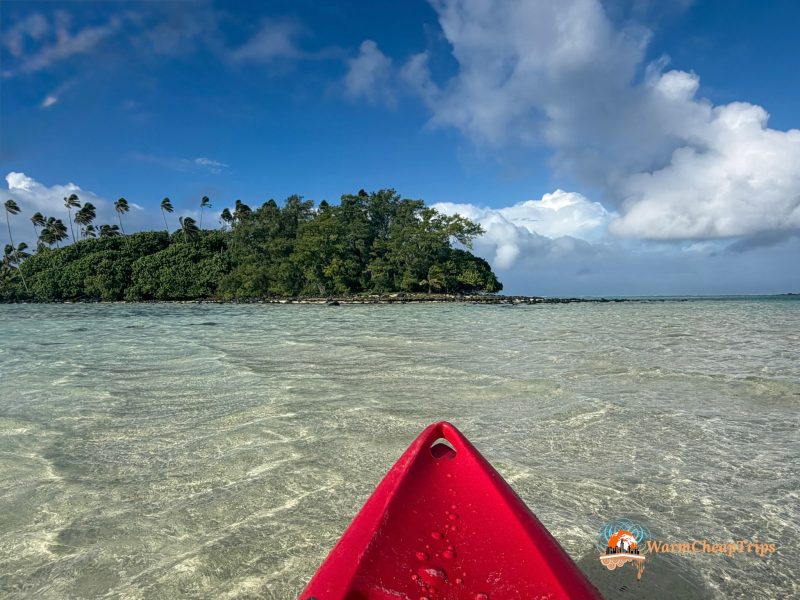
A thousand shades of blue. Water as clear as a swimming pool. No concrete monsters. Just lush greenery shading brilliant white beaches and a collection of tiny motu (islets) surrounded by endless shades of turquoise. The best way to explore Aitutaki is by joining a lagoon cruise. We spent three full days here, which I think is the perfect amount of time.
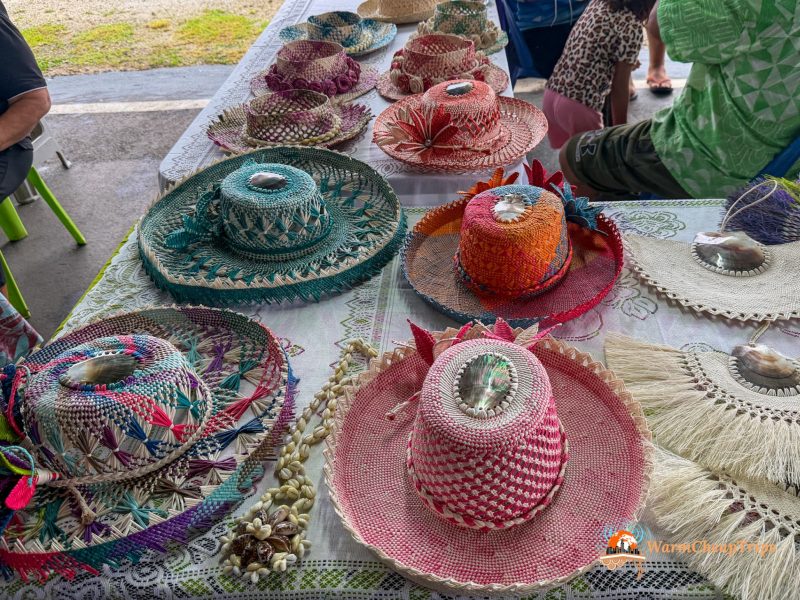
One day relaxing on Ootu Beach, the island’s most beautiful beach, and kayaking out to the nearby motu of Angarei and Ee. Another day driving around the island (it’s so small you can cross it in less than half an hour), attending Sunday church service with women dressed in white and wearing beautiful straw hats, visiting Piraki Lookout, and swimming at the beaches along the western coast. The final day was dedicated to a lagoon tour, complete with snorkelling in crystal-clear waters and visits to spectacular motu such as Honeymoon Island and One Foot Island, where you can collect one of the rarest passport stamps in the world.
Note: since it is not an official immigration stamp, the One Foot Island passport stamp may invalidate your passport for entry into certain countries. If you have an old passport, I would recommend using that one to collect this unique souvenir stamp.
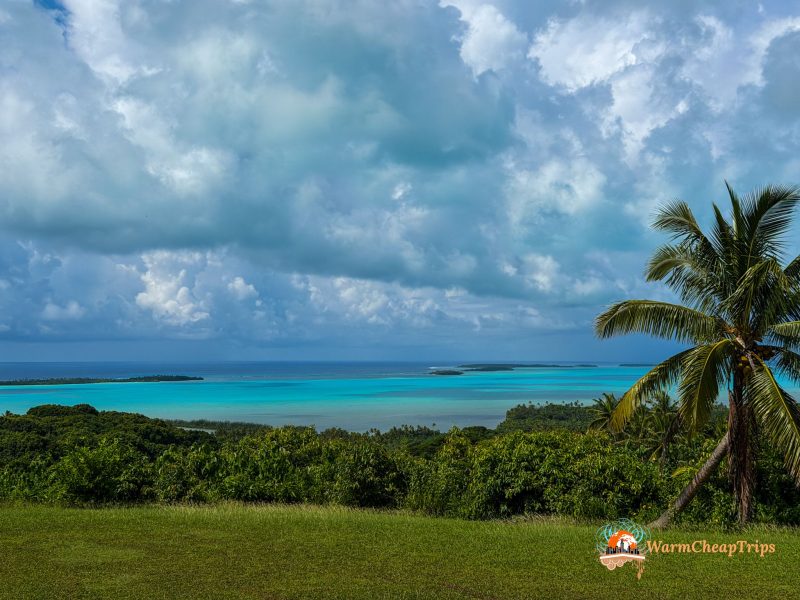
If you have the opportunity, I highly recommend taking two different lagoon tours. Just keep in mind that no boats operate on Sundays, as the day of rest is taken very seriously and locals prefer to spend it with their families.
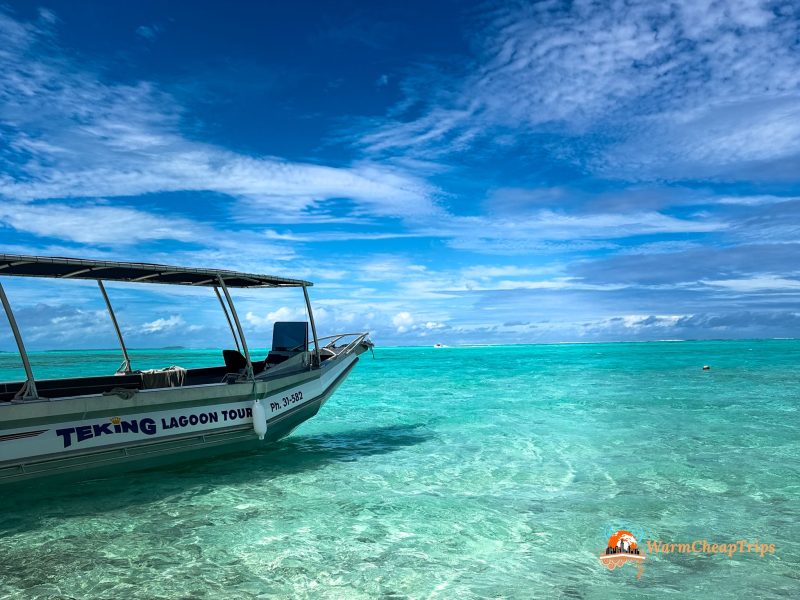
We opted for the snorkelling tour with Teking because their smaller boat (around 20 passengers) can move faster and cover a larger section of the lagoon. This means more snorkeling stops, fewer crowds, and a delicious BBQ lunch served on a private motu all to ourselves.
If, on the other hand, you’re looking for a more relaxing cruise with comfortable seating, sun loungers, and live local music, then Vaka Cruise is probably the better option. Their beautiful vessel is inspired by the traditional Polynesian vaka canoe and offers a slower, more leisurely way to explore the lagoon. Had we not spent Sunday in Aitutaki, we would probably have booked this tour as well.
Vaka Cruise tours can also be booked as a day trip from Rarotonga through Air Rarotonga, but personally I strongly recommend splitting your stay and spending at least two nights on Aitutaki. The lagoon deserves more than a rushed day visit.
Rarotonga: the heart of the Cook Islands
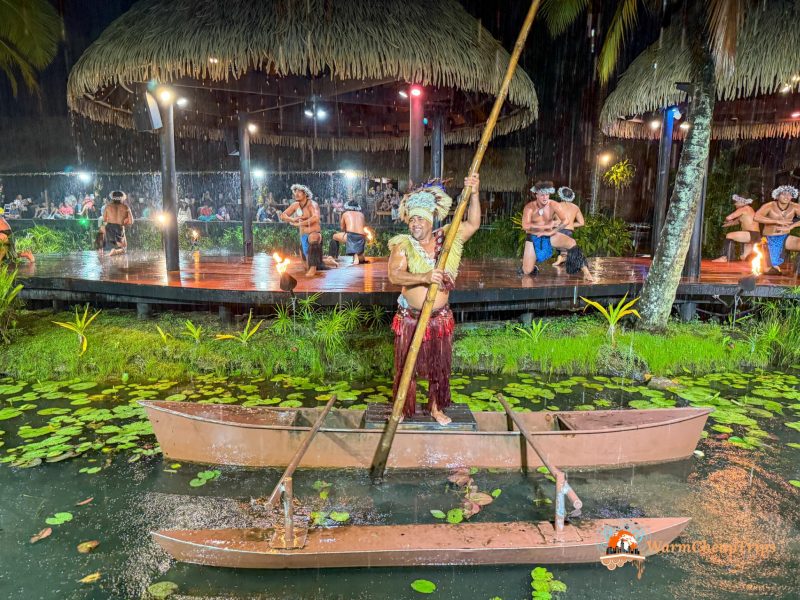
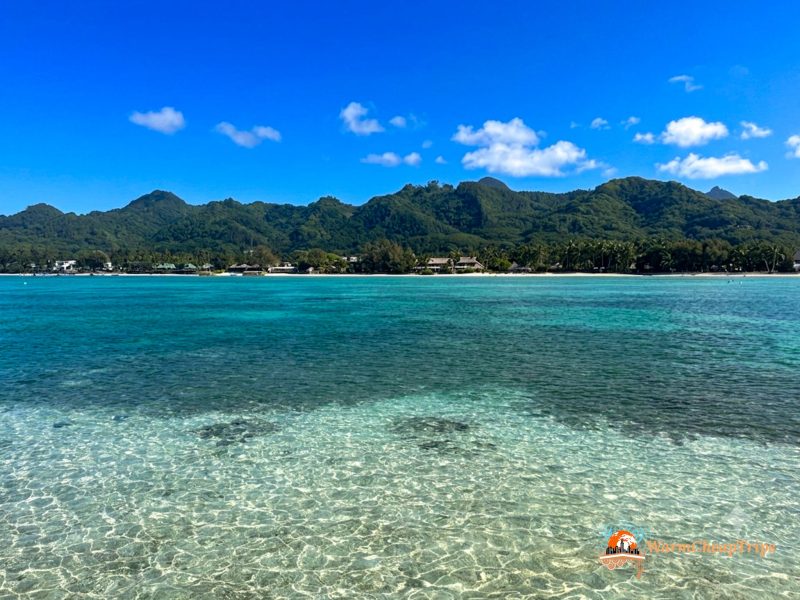
If Aitutaki’s colour is blue, then Rarotonga’s colour is undoubtedly green. As the plane begins its descent, before you even spot the lagoon or the beaches, your eyes are immediately drawn to a dark mountain rising dramatically from the middle of the Pacific Ocean. That’s Te Manga, the highest point in the Cook Islands at 652 metres above sea level. It doesn’t sound particularly impressive until you remember that beneath it lies another 5,000 metres of submerged volcanic rock. Rarotonga is, after all, the summit of an ancient volcano. The same mountains that create the island’s dramatic landscape also attract clouds and rainfall, feeding the lush tropical vegetation that covers the interior. Unfortunately, we experienced mostly grey skies and rain during our stay. Thankfully, Rarotonga has so much more to offer than postcard-perfect beaches. The local culture here is incredibly vibrant and accessible. There are countless opportunities to connect with it: sharing dinner with local families, visiting Te Vara Nui Village, attending its spectacular overwater Polynesian performance, browsing the lively Saturday market, or exploring the island’s surprisingly fascinating museums. The small museums dedicated to Cook Islands history are particularly worth visiting. They offer an excellent introduction to Polynesian traditions and explain how the arrival of Christian missionaries during the nineteenth century shaped the unique identity of the Cook Islands: independent, yet deeply connected to neighbouring New Zealand.
We spent six full days on Rarotonga, plus the first evening before flying to Aitutaki, and honestly we could have stayed several more. There’s an incredible amount to do. The island’s interior is a paradise for hikers, with trails such as the famous and demanding Cross-Island Track, which leads to The Needle, a spectacular 413-metre rock spire that seems to rise impossibly from the jungle. There are waterfalls hidden among the rainforest, mountain ridges, and scenic viewpoints that reveal entirely different perspectives of the island.
Along the coast, you’ll find beautiful white-sand beaches and plenty of opportunities for snorkeling. Sadly, signs of climate change are visible here too. Parts of the coral reef have suffered significantly, not only from warming waters but also from outbreaks of invasive crown-of-thorns starfish in recent years.
And then there are the cafés by the sea, the beachfront restaurants, the cultural experiences, and all the activities we simply didn’t have time for. Everything unfolds at a wonderfully relaxed pace, accompanied by smiles, conversations, and that feeling that nobody is ever in a hurry.
Read the article on everything we did—and everything I wish we’d had time to do—because if you’re thinking of coming to Rarotonga just to spend your days lying on a beach, think again. This island is alive, stimulating, and full of opportunities.
The cost of our Cook Islands honeymoon
A quick disclaimer before talking numbers. As of May 2026, the Japanese yen is worth almost half of what it was when I first moved to Japan. While that doesn’t affect daily life much within Japan itself, you definitely notice it when travelling abroad. Looking at prices in euros, however, I realised that the Cook Islands aren’t nearly as expensive as many people imagine. Excluding the international flights, is certainly not cheap, but neither is it outrageously expensive.
Considering that the Cook Islands are tiny islands in the middle of the Pacific Ocean and offer the same dream-like tropical scenery that people associate with Hawaii or French Polynesia, I would say they’re absolutely achievable and genuinely deserve the title of “budget Polynesia.”
And I mean that in the best possible way. A true WarmCheapTrips destination. A place where the money you spend translates into real experiences rather than luxury for luxury’s sake. Honesty and authenticity: those are the two words that best summarise this trip for me. Meals, drinks, and souvenirs are generally priced similarly to New Zealand. Main dishes usually cost between €10 and €20, soft drinks around €3–4, and alcoholic drinks approximately €8–10. There are also supermarkets selling ready-made meals and a number of food trucks where you can eat for less. Overall, I found the Cook Islands considerably more affordable than expected.
Transportation
- International flights – It’s difficult for me to provide an accurate figure for international flights because we booked a multi-city itinerary for our entire honeymoon. The total airfare came to approximately €1,000 per person with Air New Zealand, which operates daily flights between Auckland and Rarotonga and also offers direct flights from Tokyo, making it especially convenient for us.
- Domestic flights – Air Rarotonga is the only airline connecting Rarotonga with the outer islands. Domestic flights should be booked well in advance directly through the airline’s website. We purchased our Rarotonga–Aitutaki flights in February for travel in May, and some departures were already sold out. Return fare including checked baggage: 458 NZD per person.
- Car rental – In Aitutaki we rented a car for a single day through Popoara Rental, located just a few minutes’ walk from our accommodation. Cost: 90 NZD rental + 8 NZD fuel charge because of disruptions caused by the conflict in the Middle East, fuel was temporarily unavailable for purchase by private individuals on the island. In Rarotonga, we rented a car for our entire stay (six days) through Island Car&Bike Hire collecting and returning it directly at the airport, 290 NZD (including a 40 NZD airport pickup/drop-off surcharge). We specifically requested the cheapest available vehicle. It was certainly not the newest car on the island, but given the maximum speed limit of 50 km/h, it was absolutely adequate and never caused any issues.